A family-led effort for PKAN research + hope

Dreams
for Diana

Diana is two years old. She is joyful, curious and always smiling. Just before her second birthday, she was diagnosed with PKAN, an ultra-rare genetic disease. Together, we are working toward a cure for Diana and every child living with PKAN.

Read our story ↓
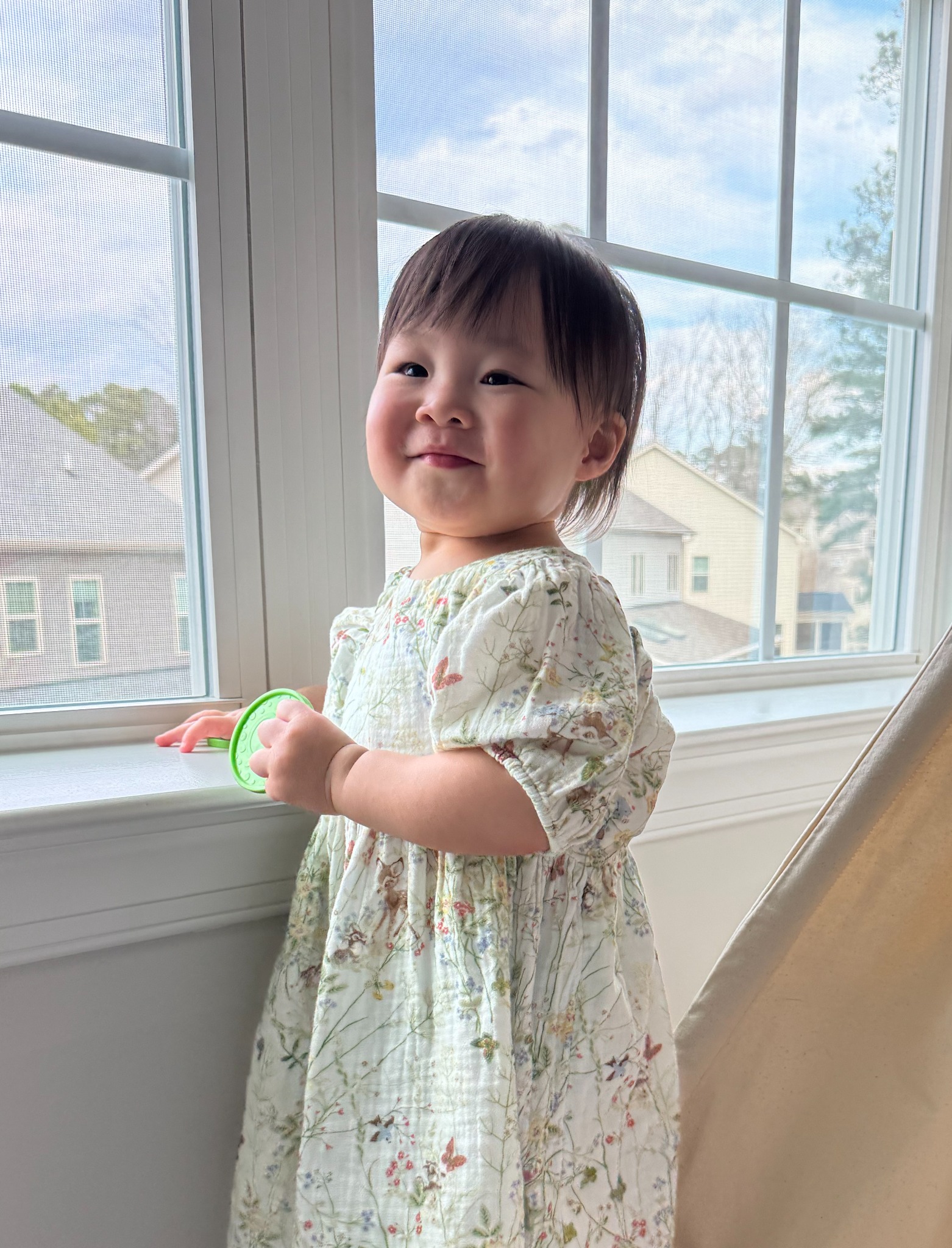
Diana smiling by a bright window in a floral dress.
For Diana, with hope.

01

Our Story

Since Diana came into our lives, she has brought so much joy to our family. She is bright, curious, and happiest when she is surrounded by people.

Just before her second birthday, Diana was diagnosed with Pantothenate Kinase-Associated Neurodegeneration (PKAN)—an ultra-rare genetic disorder that affects as few as three in one million children. The disease is terminal and there is currently no cure.

At first, it was difficult to imagine anything beyond this cruel fate. None of us had ever heard of PKAN. But as we began learning more, we also began meeting the small community of families, doctors, researchers, and advocates who have been working on this disease for years. We learned that promising treatments are being developed, including gene therapy, and began to understand that Diana’s future is not yet written.

Dreams for Diana grew out of that hope.

Diana deserves the chance to grow, play, dream, and experience all the possibilities childhood should hold. Dreams for Diana was created to rally around her family, raise awareness of PKAN, and help advance the research that could change her future—and the futures of other children living with PKAN.

Read more from Diana’s family →

02

What is PKAN?

PKAN stands for Pantothenate Kinase-Associated Neurodegeneration. It is an ultra-rare genetic disorder caused by changes in a gene called PANK2.

PANK2 helps cells use vitamin B5 to produce energy and carry out important functions. When the gene does not work properly, iron and other substances can build up in certain areas of the brain, particularly those involved in movement.

PKAN affects each person differently, but symptoms can include difficulty walking, muscle stiffness and involuntary movements, problems with speech and swallowing, and changes in vision. Symptoms plateau and progress rapidly over time.

There are currently only around 200 documented cases of PKAN in the United States. Because so few people are diagnosed, research has historically received far less attention and funding than more common diseases. Commercialization options are limited to non-existent.

There is currently no cure for PKAN, and treatment focuses mainly on managing symptoms. However, researchers are actively developing new approaches—including gene therapy—that aim to treat the underlying cause of the disease rather than its symptoms alone.

PKAN TODAY

A cure does not yet exist.

THE PATH FORWARD

Gene therapy.

WHAT’S NEEDED

$3 million.

03

Research + Treatment

Some of the most promising PKAN research is happening at Oregon Health & Science University (OHSU), where Dr. Susan Hayflick and her team have studied the disease for more than two decades. Her laboratory identified the PANK2 gene responsible for PKAN in 2001, helping establish the foundation for much of what is now known about the disease.

Today, OHSU is working with the Horae Gene Therapy Center at UMass Chan Medical School to develop a gene therapy for PKAN. The goal is to address the disease at its source by delivering a healthy copy of the PANK2 gene to affected cells in the brain.

The therapy has shown promising results in laboratory research, and the teams are working through the studies, manufacturing, and regulatory steps necessary to move toward a first human clinical trial.

For families like ours, this research represents something that did not exist for previous generations of children with PKAN: the possibility of treating the underlying cause of the disease.

Getting there requires funding. Because PKAN is so rare, families and private donors can have an unusually direct impact on how quickly research moves forward. The Loving Loic Foundation is working closely with researchers to help fund and accelerate the gene therapy program, with the goal of bringing this work from the laboratory to children.

Current goal

$3 million

We are raising $3 million for the Loving Loic Foundation to help move PKAN gene therapy research at OHSU toward human clinical trials.

04

Fundraisers

Every contribution moves this work forward.

05

Help us move forward.

We are raising $3 million for the Loving Loic Foundation to help move PKAN gene therapy research at OHSU forward.

Donate

No amount is too small. Every contribution helps.
Donations to the Loving Loic Foundation are tax-deductible.

Buy a painting

Original paintings by Kyung-Me for $100 each. All proceeds go to Loving Loic.

Make an introduction

If you have connections to foundations, companies, philanthropists, or other funding resources, we would love to hear from you.

Share

Help Diana’s story reach someone new.

Have an idea?

We are all ears. Every idea or tidbit of information helps. Please contact us at dreamsfordiana@gmail.com

06

Updates

August 2026Diana turns 2!
July 2026Paintings for PKAN fundraiser launched